



When school decisions need to balance care, speed and control
A school office administrator is working through morning absence messages when a notification appears in the school’s shared system.
Someone is asking for access to a document linked to a pupil concern being discussed later that day. The file name looks familiar. The pupil is real. The request appears to come through a route staff use all the time.
Approving access feels helpful. A safeguarding lead needs context before a meeting. A parent conversation is due later. The school day is already moving, and nobody wants support for the pupil to slow down because a document is stuck in the wrong place.
Nothing about the moment feels unusual. It feels like ordinary school work: help the colleague, support the pupil, keep the process moving.
The risk sits inside the reason the action feels reasonable. The concern may be genuine. The timing may make sense. The request may fit the situation. But the route, the requester, the access level and the reason for sharing still need checking before trust in the situation becomes trust in the request.
In that moment, the decision does not feel like cyber security. It feels like school judgement.




Why cyber risk often forms inside school work
Schools handle sensitive information as part of ordinary work. Pupil records, safeguarding notes, parent communication, behaviour logs, SEND information, staff records, finance updates, supplier access, governor papers, cloud documents and learning platform accounts all move through busy systems every day.
That is why cyber risk can be difficult to recognise in a school environment. It does not always arrive as something obviously suspicious. It can appear inside a parent query, shared document, password reset, safeguarding update, finance approval, supplier request, governor communication or platform invitation that appears to belong to normal school life.
The pressure is specific. A receptionist wants to help a parent quickly. A teacher needs access before a lesson. A safeguarding lead wants information before a meeting. A finance officer is trying to process an invoice before the end of the day. A senior leader is moving between decisions. A trust team is supporting several schools at once.
In those conditions, speed is not just convenience. Responsiveness is part of how schools care for pupils, support families, manage staff and keep operations working.
That does not mean staff are being careless. It means they are responding to the responsibility in front of them. They see a believable request, connected to real work, through a familiar route, at a point where delay feels difficult to justify.
The difficult part is that the same conditions that make school work possible can also make risky requests harder to question. A request does not need to look dramatic. It only needs to fit the pupil, the parent, the colleague, the supplier, the trust process or the system staff already use.
For schools and MATs, the question is often not, “Does this look dangerous?” It is, “Is there enough reason to pause when this appears to help the work continue?”
Cyber security training built around school and trust decisions
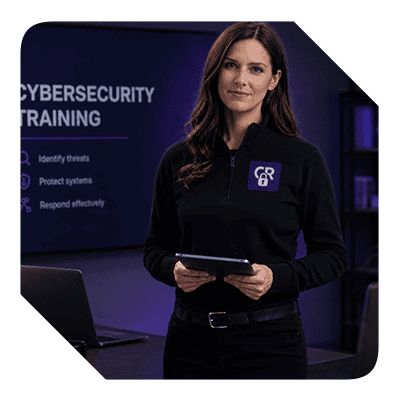
Cyber Rebels helps school and trust teams work through the moments where an ordinary decision can also create cyber risk. That might be responding to a parent or carer, sharing safeguarding information, approving access, handling a supplier change, circulating governor papers or acting on a request that appears to come from the trust.
During the training, participants examine what they are trying to achieve, why the request feels legitimate and where a proportionate check belongs. They can compare how different roles might respond, practise confirming requests through an established route and explore how uncertainty can be raised without making pupil support, teaching or school operations harder to manage.
The content is shaped around the school or trust rather than delivered as a generic collection of cyber topics. For a single school, that may mean situations involving reception, teaching, safeguarding, finance, administration and leadership. For a MAT, it may also mean exploring how shared systems, central teams and trust-wide expectations are understood across schools with different routines, workloads and local pressures.
That distinction matters because a process can look consistent at trust level while feeling very different to the person applying it during a busy school day. A receptionist responding to a parent, a teacher preparing for a lesson, a safeguarding lead gathering information and a school business manager approving a change may all meet the same control under different conditions.
The aim is not to make staff suspicious of every request. It is to help them recognise that a pupil, parent, colleague, supplier or trust process can be genuine while the particular route, access level or action still needs to be checked.
What changes when the same decisions repeat across a school or trust
A single access approval, shared document, parent message, supplier update or password prompt may not seem significant. It is handled, the immediate task is completed and attention moves to the next part of the school day.
The wider pattern becomes visible when similar decisions are made across reception, classrooms, safeguarding, finance, leadership and central trust teams. Staff rely on familiar systems, known people and established communication routes because school work depends on coordination, trust and timely action.
Most of the time, that trust helps support pupils, families and colleagues. The difficulty comes when trust in the situation begins to replace checking the particular request.
One person may share a document because it appears connected to a genuine pupil concern. Another may approve access because a colleague needs resources before a lesson. A finance officer may act on a supplier change because it matches an expected payment. A school leader may follow a trust-branded request because it appears to belong to an established process.
None of those decisions has to feel careless or unusual. The pattern can remain hidden because the work continues. Questions may emerge only later through an incident, complaint, audit, safeguarding review, data protection concern or supplier dispute.
By then, the issue is larger than whether one member of staff noticed a warning sign. It is whether people across the school or trust have a clear and usable way to verify important requests when care, workload and operational pressure make acting quickly feel responsible.
Supporting better judgement across school and trust roles
Better judgement needs more than a warning to “be careful”. Staff need to know what they can check, which route to use and what will happen when they raise uncertainty while pupil support, teaching or school operations are already moving.
Training can give teams a practical way to separate the genuine situation from the action being requested. The pupil may be real, the parent may be known, the supplier may be expected and the trust communication may look familiar. That does not automatically confirm the route, the requester, the access level or the amount of information that should be shared.
A useful way to express that distinction is:
“The pupil is real, but the route still needs checking.”
The same principle can be applied across parent and carer communication, safeguarding updates, pupil records, shared documents, finance changes, platform access, governor information, HR records and trust-wide requests.
The response still has to work for the people expected to use it. A verification route will not become reliable if ownership is unclear, confirming a request takes too long or staff receive stronger signals to keep the work moving than to pause and check. Training can help bring those conditions into view, but leaders may also need to clarify responsibilities, improve checking routes and make early escalation visibly supported.
The practical shift is not hesitation. It is making checking part of responsible school work, so staff can protect the pupil, support the family or complete the task without relying on familiarity alone.


Explore training that fits how your school or MAT works
Start with the everyday points where care, trust and access come together. How are pupil records shared? How are safeguarding updates confirmed? How are parent and carer messages handled? How are platform access requests approved? How are supplier details checked? When something appears connected to genuine school work but still needs a second look, do staff know when to pause and which route to use?
These questions are not about slowing the school down. They help show where staff already rely on judgement, where current checks are working well and where people may need clearer support when workload, urgency or responsibility makes the quickest response feel like the most helpful one.
For some schools, a focused session may be enough to make those moments easier to recognise. Others may benefit from a deeper workshop or tailored programme, particularly where several roles share information and access across different systems.
For a MAT, the same questions may need to be explored across several schools. Shared policies and platforms matter, but so do the different routines, pressures and local conditions in which staff are expected to apply them.
You do not need to know which option you need yet. Our training services page explains the different ways Cyber Rebels can support your school or trust, helping you explore the available routes and understand what each one offers before deciding where to begin.
Tell us what your school or trust needs