




Protecting trust where resources are limited and demand stays high
A volunteer coordinator is checking messages between calls when an urgent request comes through about a beneficiary case.
The name is familiar, the situation appears to match support already being provided, and the message asks for recent notes so another person can step in quickly. The team is stretched, the need feels real, and delaying the response could leave someone waiting for help.
Responding feels like the practical decision. It keeps support moving, helps the people involved stay aligned, and avoids adding friction where care, urgency and trust already matter.
Nothing about the moment feels unusual at first. Charity and nonprofit work depends on beneficiary communication, safeguarding updates, volunteer coordination, donor contact, partner referrals, case notes, shared documents and decisions made by people often balancing limited time with real human need.
The hidden risk sits inside the purpose of the request. The beneficiary may be real. The support need may be genuine. The person asking may appear connected to the work. But the route, identity, level of information and reason for sharing still need checking before trust in the situation becomes trust in the request.
In that moment, the decision does not feel like a cybersecurity decision. It feels like nonprofit judgement: respond with care, support the person, and avoid slowing down a request that appears to fit the work already in progress.



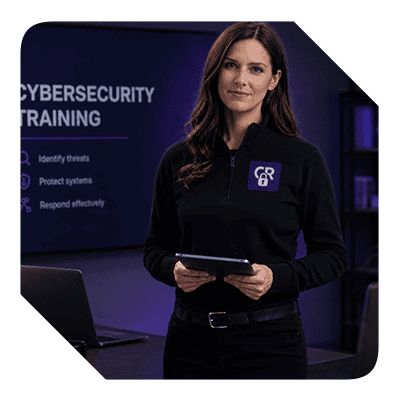

Why charity risk often forms inside trusted support work
Charities and nonprofit organisations operate through trust. Beneficiary support, safeguarding responsibilities, donor relationships, volunteer activity, funding processes, trustee oversight, case records, partner referrals and external service communication all depend on people sharing information and acting in good faith.
That is why cyber risk can be difficult to recognise in nonprofit environments. It does not always arrive as something separate from the work. It can appear inside a beneficiary message, a safeguarding update, a volunteer request, a donor query, a funding document, a shared case note, a partner referral, an access request or a payment instruction that appears connected to genuine support activity.
The pressure around those moments is real. A beneficiary may need help quickly. A volunteer may need information before they can act. A safeguarding issue may require coordination. A donor may be waiting for a response. A funding deadline may be close. A small team may be trying to cover too much with limited time and capacity.
In each case, acting quickly can feel responsible because it supports the mission and keeps people from being left waiting.
This is where charity and nonprofit risk becomes specific. Trust is not just a value. It is part of how the work gets done. When a request appears to support a person, project or cause, pausing to verify can feel like slowing down help that the organisation exists to provide.
That does not mean staff or volunteers are being careless. It means they are responding to the responsibility in front of them. They see a believable request, connected to real work, through a familiar person or communication route, at a point where delay may feel uncomfortable or even unkind.
Proceeding makes sense because it helps the organisation do what it is there to do.
The challenge is that the same conditions that make genuine support effective can also make questionable requests harder to challenge. A beneficiary update, safeguarding message, donor instruction, volunteer request, partner referral, funding document or access prompt does not need to look dramatic. It only needs to feel consistent with the case, the project, the relationship and the purpose already in motion.
For charity and nonprofit teams, the question is often not, “Does this look dangerous?” It is, “Is there enough reason to pause when this appears to help someone?”
Helping nonprofit teams handle cyber decisions while support is moving
Cyber Rebels helps charity and nonprofit teams work through the moments where an ordinary support or operational decision can also create cyber risk. That might be responding to a beneficiary message, sharing safeguarding information, giving a volunteer access, updating donor details, opening a funding document or acting on a request that appears connected to a trusted partner.
During the training, participants examine what they are trying to achieve, what makes the request feel legitimate and where a proportionate check belongs. They can compare how different roles might respond, practise confirming requests through a known route and explore how to raise uncertainty without making support feel harder to provide.
The content is shaped around the organisation rather than delivered as a generic collection of cyber topics. A small charity may need to explore how staff, volunteers and trustees share information while covering several responsibilities. A larger nonprofit may need situations involving service teams, fundraisers, safeguarding leads, administrators, finance staff, managers and partner organisations working across different systems and locations.
Those differences matter because the same check can feel very different depending on the role and the work already in progress. A volunteer coordinator trying to place support quickly, a fundraiser responding to a donor, a service lead managing a referral and a trustee reviewing sensitive information may all meet uncertainty under different pressures.
The point is not to make people wary of every beneficiary, donor, volunteer or partner request. It is to help them recognise that the need and the relationship can both be genuine while the particular route, access level or action still needs to be checked.
What changes when the same decisions repeat across the organisation
A single beneficiary message, volunteer access request, donor update or partner instruction may not seem significant. It is handled, the immediate need moves forward and attention shifts to the next case, conversation or task.
The wider pattern becomes visible when similar decisions are made across services, fundraising, safeguarding, volunteering, finance, administration and trustee oversight. People rely on familiar names, trusted partners and established communication routes because nonprofit work depends on relationships, responsiveness and people acting in good faith.
Most of the time, that trust helps the organisation deliver support. The difficulty comes when confidence in the situation begins to replace checking the particular request.
One person may share information because a beneficiary appears to need help. Another may grant access because a volunteer is ready to begin. A fundraiser may update details because the message appears connected to a genuine donor. Someone else may follow a partner instruction because delaying it could affect a referral, payment or service.
None of those decisions has to feel reckless or unusual. The pattern can stay hidden because the support continues, the document is shared and the organisation moves on.
Questions may emerge only later through a safeguarding review, trustee discussion, funding audit, donor concern, complaint or incident investigation, when attention shifts from the immediate need to what was checked before the action was taken.
By then, the issue is larger than whether one person noticed a warning sign. It is whether staff, volunteers and trustees have a clear, usable way to verify important requests when care, urgency and limited capacity make acting quickly feel like the responsible choice.
Training shaped around how your organisation delivers support
The training can reflect the roles, systems and relationships that shape decisions across your organisation. That may include how service teams handle beneficiary information, how safeguarding updates are shared, how volunteers receive access, how fundraisers communicate with donors, how finance teams confirm payment changes or how trustees receive the information they need for oversight.
Participants work with situations that feel familiar enough to prompt an honest discussion. They can explore where people currently rely on trust, goodwill or case context, which checks are realistic while support is live and what someone needs when they are unsure but do not want to delay help or damage an important relationship.
That discussion matters because a better decision needs more than a reminder to pause. People need to know what they can check, which route to use and what will happen when they raise uncertainty. They also need confidence that checking will be supported when a beneficiary is waiting, a funding deadline is close or a partner request appears connected to genuine work.
A useful distinction is:
“The need is real, but the route still needs checking.”
The same principle can apply to a genuine safeguarding concern, known donor, regular volunteer, trusted partner or expected payment. Confirming the route does not question the mission or the person involved. It helps ensure that the requested action genuinely belongs to the situation.
Where ownership is unclear or the approved route is harder to use than the informal one, training can help bring that into view. The organisation may then need to clarify responsibilities, improve verification routes or make it easier for people to escalate uncertainty while support is still moving.
The intended shift is practical: checking becomes part of protecting trust and delivering support well, rather than an obstacle people feel they should work around.


Explore training that fits how your organisation delivers support
Start with the everyday points where trust, urgency and responsibility come together. How are beneficiary messages checked? How are safeguarding updates shared? How are volunteer access requests approved? How are donor details changed? How are partner referrals and payment instructions confirmed? When something appears connected to genuine support but still needs a second look, do people know when to pause and which route to use?
These questions are not about slowing support down. They help show where staff, volunteers and trustees already rely on judgement, where current checks are working well and where people may need clearer support when care, goodwill or limited capacity makes the quickest response feel like the most helpful one.
For some charities, a focused session may be enough to make those moments easier to recognise. Others may benefit from a deeper workshop or tailored programme, particularly where staff, volunteers, trustees, fundraisers and partners depend on the same information moving safely across different systems and relationships.
You do not need to know which option you need yet. Our training services page explains the different ways Cyber Rebels can support your organisation, helping you explore the available routes and understand what each one offers before deciding where to begin.
Let’s Talk About Securing Your Charity