


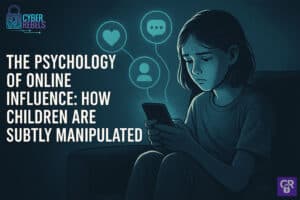

The Psychology of Online Influence: How Children Are Subtly Manipulated
If you want to understand online influence, don’t start with the extreme cases. Start with something ordinary. A child sits curled at one end of the sofa, drifting through their feed with the absent-minded ease that comes from habit and comfort. The room is quiet except for the faint chime
Cybersecurity Under the FCA: The Supervisory Expectations Firms Still Struggle to Meet in 2025
Financial services operate in one of the most heavily regulated environments in the world, and yet the failures identified in FCA cybersecurity reviews often have little to do with whether a firm understands the rules. Most institutions can recite the familiar acronyms — SYSC, SMCR, PRIN, and the operational resilience

When Behaviour Becomes the Breach: Understanding the Conduct Risk We Keep Underestimating
Conduct sits at the very centre of online safety, yet it is often the part we understand least. Content shapes what captures our attention, contact shapes who reaches into our lives, and commerce shapes the subtle pressures that influence our decisions. But conduct is different. It is the behaviour we

Is AI a Threat, or Is It Human Ethics?
Artificial intelligence has become both the promise and the paradox of our time. It’s the silent assistant that writes our reports, predicts market trends, and keeps networks safe from attack — yet it’s also the engine behind voice clones, deepfakes, and misinformation that spreads faster than truth. Every headline tells
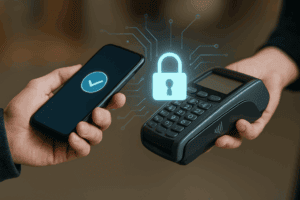
When Every Transaction Counts: The ‘Commerce’ Risk We All Need to Understand
In our first two chapters, we explored how online life shapes the way we think and connect. Content showed how repetition turns misinformation into belief, while Contact revealed how digital relationships blur the lines between strangers and trust. Both reminded us that cybersecurity isn’t about code — it’s about people.

The Smart Way to Stay Secure: Why Cyber Security Retainers Are the Future of Business Protection
For too long, cybersecurity awareness has been treated like an annual task. Once a year, teams complete a refresher, hear familiar advice about phishing, passwords and data safety, and then return to business as usual. For a while, it works. People recognise the examples. They talk about checking links, questioning

When Strangers Don’t Look Like Strangers Anymore
From Falsehood to Familiar Faces In Part One of this series, we explored how false information no longer looks false — how content that once stood out as suspicious now blends into the everyday. But what happens when that believable content talks back? When it stops being something we read

How I would target your new employees
I don’t smash doors. I wait for the welcome pack If I want in fast, I don’t look for a blackout. I look for a welcome pack. You hire someone and, for a few days, the world around them becomes a to-do list. Forms. IT setup. “One more thing” from
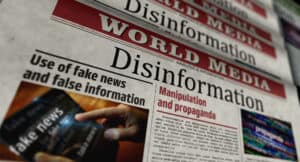
When False Becomes Familiar: Disinformation and the ‘Content’ Risk Schools Can’t Ignore
It used to be easy to spot false information. Grainy photos, strange links, and outlandish headlines gave the game away. But today, technology has changed the rules. Artificial intelligence can create realistic images, convincing videos, and entire news stories that never happened. What we see online no longer guarantees what’s